
Expert Picks Of Hospital Interior Paint Products For Safe And Durable Walls
Find high-quality painting solutions tailored for healthcare settings that prioritize safety, longevity, and ease of maintenance.
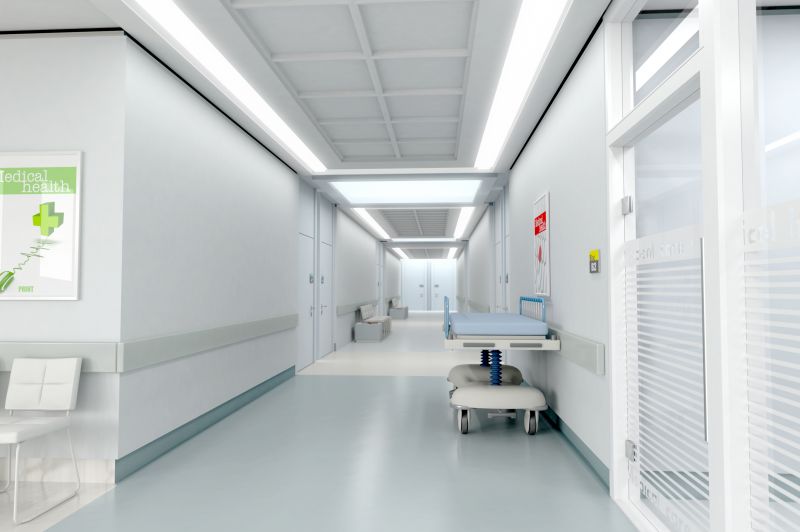 Hospital interior painting plays a vital role in creating a welcoming, clean, and professional environment that can positively influence patient well-being and staff efficiency. Selecting the appropriate products for hospital interior murals involves understanding various factors such as durability, ease of maintenance, safety, and aesthetic appeal. High-quality paints and coatings designed specifically for healthcare settings help ensure that walls are resistant to frequent cleaning, disinfectants, and potential wear and tear. Additionally, choosing products that minimize fumes and VOC emissions contributes to a healthier indoor environment for patients and staff alike.
Top Overall Option
Hospital-Grade Interior Paint
A hospital-grade interior paint combines durability with safety features suitable for healthcare environments. It offers resistance to frequent cleaning and disinfectants, provides a smooth finish for easy maintenance, and minimizes VOC emissions to promote healthier indoor air quality. This versatile product is designed to adhere well to various wall surfaces and maintain its appearance over time, making it a reliable choice for hospital interior applications.
Types of Products For Hospital Interior Paintings
Acrylic Interior Paint
Water-based acrylic paints provide a quick-drying, easy-to-clean surface suitable for hospital walls and ceilings.
Epoxy Coatings
Epoxy coatings offer high durability and resistance to chemicals, making them ideal for high-traffic areas.
Antimicrobial Paints
These paints contain agents that inhibit the growth of bacteria and mold, enhancing hygiene in healthcare settings.
Low VOC Paints
Low volatile organic compound paints reduce fumes and emissions, supporting healthier indoor air quality.
Matte Finish Paints
Matte finishes help hide surface imperfections and create a soft, calming visual effect.
Eggshell Finish Paints
Eggshell finishes provide a slight sheen that balances durability with aesthetic appeal.
Satin Finish Paints
Satin finishes are easy to clean and maintain, suitable for patient rooms and corridors.
High-Gloss Paints
High-gloss paints are highly washable and durable, often used for trim and accent walls.
Chalkboard Paints
Chalkboard paints can be used in certain areas for interactive communication and wayfinding.
Specialty Wall Coverings
Vinyl wall coverings and panels offer additional durability and design flexibility for hospital interiors.
Popular Choices
Widely used for patient rooms and common areas to help reduce microbial growth on walls.
Popular for its ease of application and low emissions, suitable for various hospital spaces.
Chosen for its balance of durability and aesthetic appeal in high-traffic areas.
Commonly selected for floors and surfaces requiring extra resistance to chemicals and wear.
Favored for its quick drying time and ease of cleaning, suitable for various interior walls.
Popular for creating a soothing environment and hiding imperfections on walls.
Often used in patient rooms and hallways for a subtle sheen and easy maintenance.
Increasingly chosen for their durability and aesthetic options in hospital interiors.
Trending for interactive and functional spaces within healthcare facilities.
Popular for their durability and ease of cleaning in demanding hospital environments.
Hospital interior painting products come in a wide range of formulations, including specialized paints for different wall surfaces, antimicrobial coatings, and low-odor options. These products are designed to withstand the rigorous demands of healthcare facilities, including frequent cleaning and exposure to various disinfectants. When selecting paints for hospital interiors, it is essential to consider factors such as ease of application, drying time, and compatibility with existing surfaces. Many manufacturers offer products that are formulated to provide a smooth, uniform finish, which is crucial for maintaining a professional appearance and ensuring ease of cleaning.
Beyond the functional aspects, aesthetic considerations also play a significant role in hospital interior design. Soothing color palettes and finishes can help reduce patient anxiety and create a calming atmosphere. Some products offer matte or eggshell finishes that help hide imperfections and provide a softer visual effect, while others may be more suitable for highlighting specific areas or creating visual interest. Proper product selection ensures that the walls remain pristine over time, maintaining a clean and welcoming environment for everyone who enters the facility.
In summary, the right interior painting products for hospitals are those that balance durability, safety, and aesthetic appeal. They should be easy to apply, resistant to frequent cleaning, and contribute to a healthy indoor environment. By carefully selecting appropriate products, healthcare facilities can enhance their interior spaces, ensuring they remain functional, hygienic, and visually pleasing for years to come.
Key Buying Considerations
- Compatibility with existing wall surfaces and finishes
- Resistance to frequent cleaning and disinfectants
- VOC levels and indoor air quality impact
- Ease of application and drying time
- Durability and abrasion resistance for high-traffic areas
- Antimicrobial properties to support hygiene
- Finish options such as matte, eggshell, or satin to suit aesthetic preferences
- Color options that promote a calming and welcoming environment
- Compatibility with wall coverings or textured surfaces
- Long-term maintenance and touch-up requirements
- Cost-effectiveness over the lifespan of the product
- Environmental safety and emissions standards
- Availability of product data sheets and safety information
- Brand reputation and manufacturer support
- Warranty or performance guarantees